

Inpatient Rehab in Jacksonsville, FL
Inpatient Rehab
For many people struggling with addiction, inpatient rehab is the best solution. It provides structure, medical support, and distance from the triggers that fuel substance use.
If you or someone you love is dealing with a serious addiction, understanding what inpatient rehab involves can help you make a more informed choice about where to start. Contact Design Recovery today for more.
Inpatient Rehab in Jacksonville, FL
Inpatient Rehab
For many people struggling with addiction, inpatient rehab is the best solution. It provides structure, medical support, and distance from the triggers that fuel substance use.
If you or someone you love is dealing with a serious addiction, understanding what inpatient rehab involves can help you make a more informed choice about where to start. Contact Design Recovery today for more.
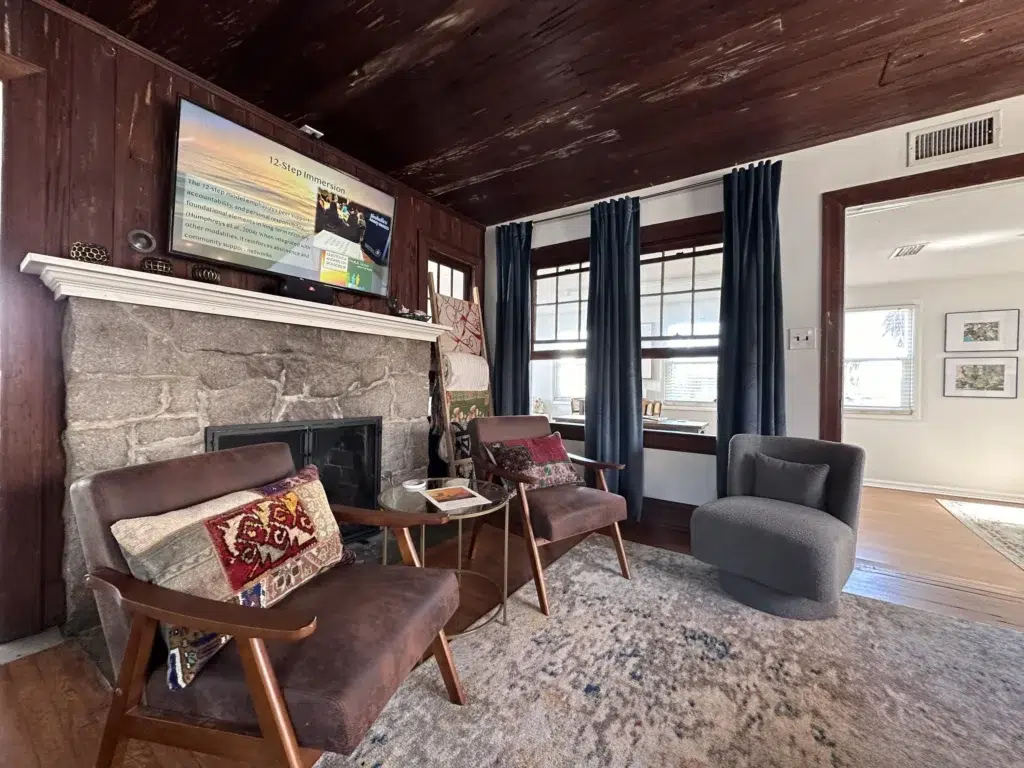
At Design Recovery, we’re committed to helping people find the right level of care, even when that means pointing them somewhere else first. While we specialize in outpatient treatment, we work with trusted partners who provide inpatient rehab in Jacksonville, FL, and can help connect you with the right program before you transition to our care.
Contact Design Recovery today at 833-818-4300 to begin our addiction treatment programs in Jacksonville, Florida.

What Is Inpatient Rehab?
Inpatient rehab, sometimes called residential treatment, is a form of addiction treatment where a person lives at the facility for the duration of the program. Patients receive structured daily schedules and access to clinical care without the distractions or stressors of everyday life.
Programs typically run anywhere from 28 days to 90 days or longer, depending on the severity of the addiction. During that time, the focus is on individual and group therapy and the development of practical coping tools and life skills.
Inpatient treatment is generally considered the highest level of care. It’s appropriate when someone needs more support than an outpatient setting can reasonably provide. In many cases, a person will complete a step-down program of recovery, beginning with detox and moving through residential, partial hospitalization, and outpatient care.
How Does Inpatient Rehab in Jacksonville Work?
If you’re looking for inpatient rehab in Jacksonville, FL, the process usually starts with an assessment. A clinical team evaluates your substance use history, mental health, medical needs, and personal situation. From there, they recommend the appropriate level of care.
Design Recovery does not offer inpatient rehab directly. However, we maintain relationships with reputable inpatient and detox partners in the Jacksonville area. We can help you navigate the options, verify insurance, and make sure you’re placed somewhere that will genuinely serve your needs.
Once you’ve completed inpatient, many people step down to a partial hospitalization program (PHP) or intensive outpatient program (IOP), and that’s exactly where Design Recovery comes in. We’re designed to pick up where inpatient leaves off, providing continued clinical care while you begin rebuilding your life.
What To Expect During Inpatient Rehab
No two programs are identical, but most inpatient rehabs follow a similar structure.
- Detox — If you’re physically dependent on a substance, detox comes first. Medical staff monitor withdrawal symptoms and provide medication-assisted treatment when appropriate. This phase can last a few days to a week or more.
- Therapy — Once stabilized, therapy begins. This includes individual sessions with a counselor, group therapy, and often family sessions as well. Evidence-based approaches like cognitive behavioral therapy (CBT) and dialectical behavior therapy (DBT) are common.
- Education — Understanding addiction as a disease is a core part of treatment. Psychoeducation helps people recognize their patterns, understand triggers, and learn why the brain responds to substances the way it does.
- Skill-building — Recovery isn’t just about stopping substance use. It’s about building a life that doesn’t require it. That means developing coping strategies, communication skills, and relapse prevention plans.
- Community — Living alongside others in recovery can be surprisingly powerful. Shared experience builds connection and accountability in ways that one-on-one sessions simply can’t replicate.
How Do I Know I Need Inpatient Rehab For Substance Use Disorder?
Inpatient treatment isn’t the right fit for everyone, but for some people, it’s the only realistic starting point.
Signs that inpatient may be necessary include:
- A history of severe withdrawal symptoms, especially from alcohol or benzodiazepines.
- Multiple failed attempts at outpatient treatment.
- A home environment that actively undermines sobriety, whether due to other people using, relationship instability, or unsafe living conditions.
- Co-occurring mental health disorders that require closer monitoring.
- Heavy, long-term use of opioids, methamphetamine, or other high-risk substances.
- A lack of social support outside of treatment.
If any of those apply, the intensity and structure of inpatient care is appropriate. Trying to recover in an environment that doesn’t support recovery rarely works.
That said, not everyone who needs help needs inpatient care. Plenty of people do very well in outpatient settings from the start. The key is an honest assessment of where you are and what you actually need.
Understanding The Need for Long-Term Treatment
It’s important to understand that completing inpatient rehab isn’t the finish line. It’s the starting block.
Addiction is a chronic condition. The brain changes that come with prolonged substance use don’t reverse in 30 days. Research consistently shows that longer engagement with treatment leads to better long-term outcomes. One month of intensive care can interrupt the cycle of addiction, but lasting recovery usually requires continued support well beyond discharge.
That’s why the concept of a continuum of care matters. Inpatient focuses on stabilization. Outpatient sustains. The transition between the two should be intentional and carefully guided by a knowledgeable clinical staff.
People who leave inpatient and return immediately to their old environments without ongoing clinical support are at high risk for relapse. Not because they “failed,” but because the conditions that drove the addiction are still there. Long-term treatment gives people the tools, community, and accountability to navigate those conditions differently.
How Effective Is Inpatient Rehab?
Inpatient rehab can be highly effective, particularly for people with severe addictions or complex needs. Studies show that residential treatment significantly reduces substance use, improves mental health outcomes, and increases employment and housing stability compared to no treatment.
The research also makes clear that longer treatment duration correlates with better outcomes. Programs of 90 days or more tend to outperform shorter ones, especially when followed by continuing care.
That said, effectiveness isn’t guaranteed by the setting alone. Quality of care matters. Engagement matters. What happens after discharge matters a great deal. Inpatient is most effective when it’s part of a longer recovery plan.
What Happens After Inpatient Rehab
Completing inpatient treatment is a significant milestone. But the work continues. Stepping down to outpatient care is one of the most important things you can do to protect what you’ve built.
Design Recovery offers a full range of outpatient programs in Jacksonville, FL, specifically designed to support people in this phase of recovery:
- Partial Hospitalization Program (PHP) — Our PHP offers a high level of clinical support — typically 5 days a week for several hours a day — while allowing you to live at home or in sober living. It’s a natural next step after inpatient for people who need structured support but are ready to re-engage with daily life.
- Intensive Outpatient Program (IOP) — Our IOP meets 3–5 days per week and is designed for people who are stable enough for more flexibility but still benefit from regular clinical structure. It’s a solid bridge between PHP and standard outpatient.
- Outpatient Treatment — For those further along in their recovery, our outpatient program provides ongoing therapy and support at a lower frequency, helping people maintain the gains they’ve made.
- Virtual IOP — We also offer a virtual IOP for those who need flexibility — whether due to work, family, or distance.
The goal isn’t to stay in treatment forever. The goal is to get the right support at the right time so that eventually, you don’t need it in the same way.
Why Design Recovery?
Design Recovery was built around a simple belief, that people deserve treatment that actually meets them where they are. Our team in Jacksonville brings clinical expertise and genuine investment in each person’s recovery. We take the time to understand your goals and what’s standing in your way. From there, we help build a treatment plan that makes sense for your life.
If you’re considering inpatient rehab and aren’t sure where to start, we can help you find the right partner and begin planning for what comes next. If you’ve already completed inpatient and are ready to continue your recovery, we’re here for that too.
Our programs are evidence-based, individualized, and grounded in real clinical care. We also offer a range of therapies including CBT, DBT, EMDR, family therapy, and even surf therapy—because recovery isn’t one-size-fits-all.
Find Inpatient Rehab in Jacksonville, Florida
Whether you’re at the very beginning of this process or stepping down from inpatient, Design Recovery is here to help.
Call us today to speak with our admissions team. We’ll listen, answer your questions honestly, and help you figure out the best path forward. You’ve already taken the hardest step by looking for help. Let us help you take the next one.